
Matcha Education · FUJI ASAHIEN
What Does Matcha Taste Like?
Quick Answer
Matcha tastes grassy, vegetal, and umami-rich, with a natural sweetness and a creamy, full-bodied texture. High-quality matcha is smooth and mellow with no harsh bitterness, while lower grades can be more astringent and sharp.
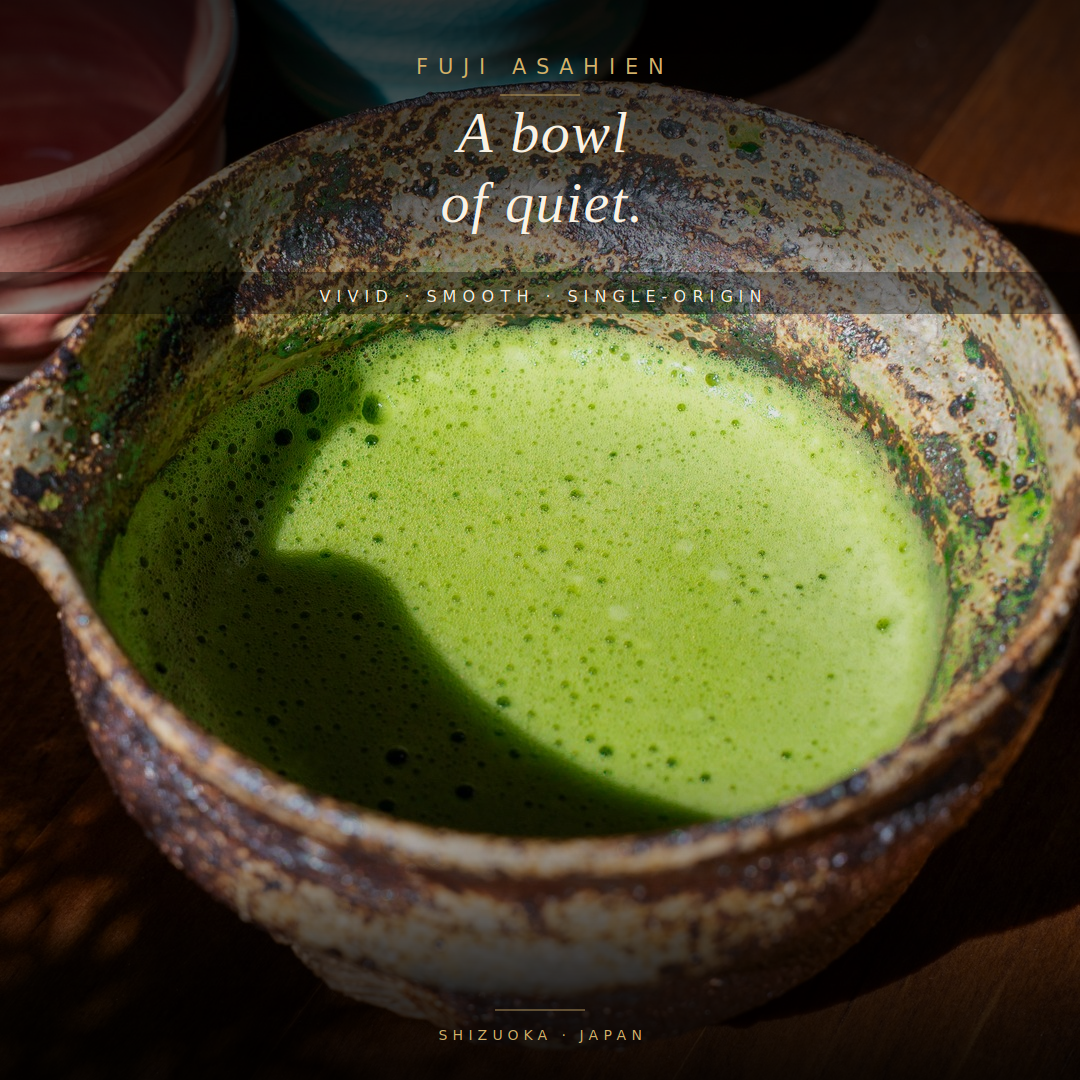
Premium matcha in the bowl: vivid emerald green, thick foam, and a naturally sweet umami fragrance.
The Overall Flavor Profile of Matcha
The taste of matcha is unlike any other tea. When you sip a well-prepared bowl, the first impression is a deep, savory-sweet sensation — often described as umami — followed by a gentle sweetness and a soft vegetal freshness reminiscent of steamed spring leaves. A lingering, pleasant aftertaste known as kōki (余韻) settles on the palate and can last for minutes.
Unlike steeped green teas where water extracts only a portion of the leaf's compounds, matcha is made from the entire ground leaf. This means you consume the full concentration of amino acids, chlorophyll, and catechins — giving it a far more complex, layered flavor than a cup of sencha or gyokuro.
The Four Elements of Matcha Flavor
Professional tea tasters evaluate matcha across four key dimensions. Understanding these helps you choose the right grade and appreciate what you are tasting.
Umami
Savory depth & richnessUmami is the hallmark of high-grade matcha. It comes from L-theanine, an amino acid that accumulates in the tea leaf during shade-growing. A matcha with strong umami feels savory, silky, and deeply satisfying — it coats the tongue with a smooth, brothy richness.
Sweetness
Natural, lingering softnessPremium matcha carries a natural sweetness that needs no added sugar. This sweetness is gentle rather than sugary, often described as "sweet spring leaves." It balances the grassy and savory notes, leaving a pleasant, clean finish on the palate.
Bitterness
Bright edge & characterA light, clean bitterness is natural in matcha and comes from catechins (EGCG). In high-quality matcha, it is delicate and brief — providing brightness and character without harshness. Excessive bitterness is a sign of lower grade, over-processing, or improper brewing temperature.
Body
Weight & mouthfeel"Body" refers to the weight and fullness of matcha in the mouth. Fine, 5-micron milled matcha creates a velvety, creamy mouthfeel rather than a watery or gritty texture. A matcha with good body feels luxurious and enveloping — similar to whole cream compared to skim milk.
Why Foam Matters
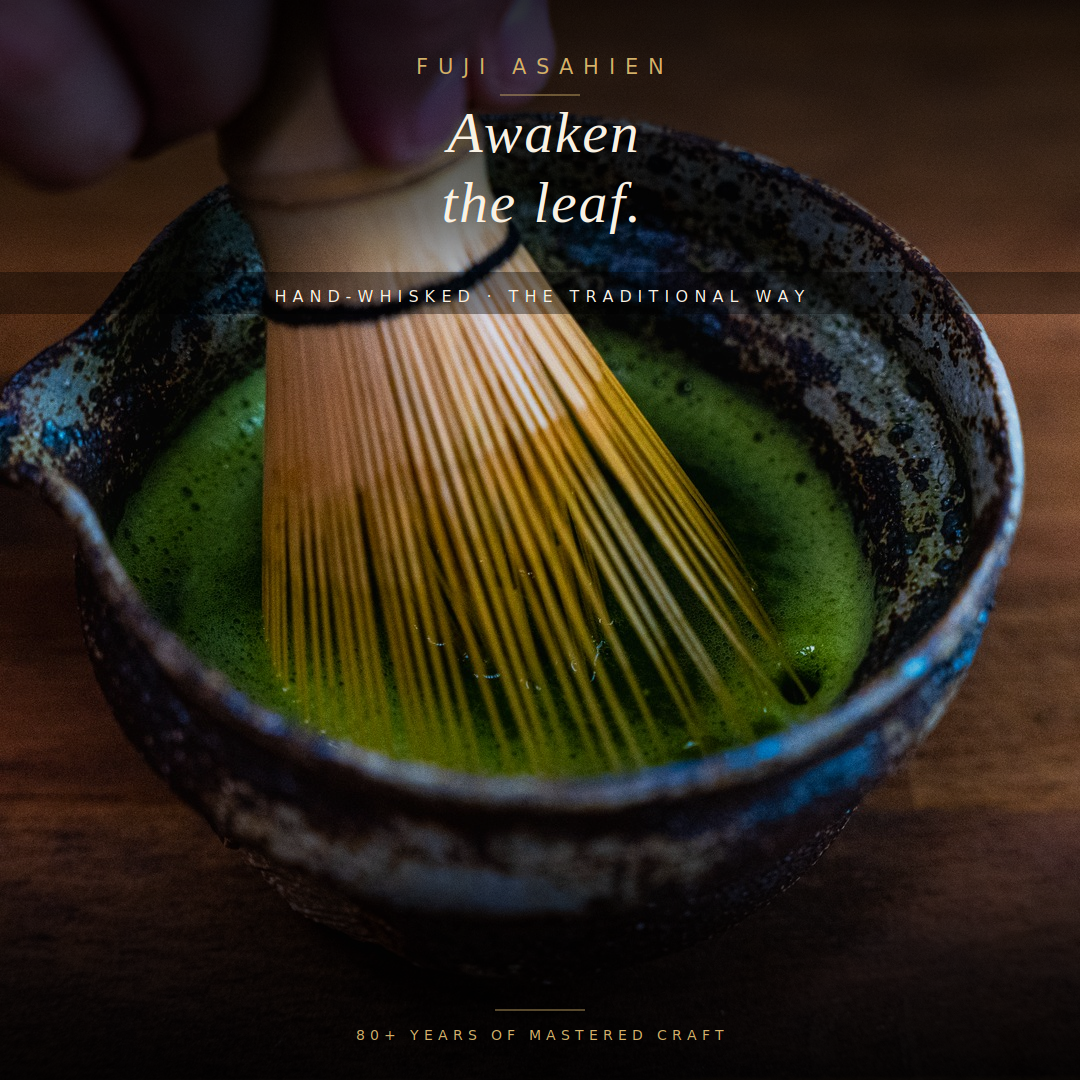
The foam produced by whisking matcha is a direct indicator of quality. Ultra-fine particles (5 microns in FUJI ASAHIEN matcha) create a dense, persistent foam that contributes to the creamy mouthfeel and distributes flavor evenly across the palate. Coarser grinds produce less stable foam and a grittier texture.
What Shapes the Taste of Matcha?
No two matchas taste exactly alike. Flavor is shaped by a complex interaction of growing conditions, processing methods, and preparation technique. Here are the most important factors:
- Shade-growing (覆下栽培): Covering tea plants 3–4 weeks before harvest reduces photosynthesis, triggering a surge in L-theanine (umami) and chlorophyll (green color) while suppressing catechins (bitterness). More shade = deeper umami and sweetness.
- First-flush harvest (一番茶): Only young, tender leaves from the first spring harvest are used for premium matcha. These leaves have the highest amino acid content and the most vibrant, complex flavor.
- Terroir: The soil, altitude, water source, and microclimate of the growing region leave a distinct fingerprint on the tea. FUJI ASAHIEN's Kawane region in Shizuoka — nestled in the misty Oi River valley — produces leaves with exceptional mineral depth and freshness.
- Milling precision: The particle size of ground matcha directly affects texture and flavor extraction. FUJI ASAHIEN's bead-mill technology achieves 5-micron precision, releasing maximum flavor compounds while eliminating any chalky or gritty sensation.
- Master blending: FUJI ASAHIEN's tea masters blend leaves from selected Kawane gardens to create a consistent, signature flavor profile for each grade — balancing umami, sweetness, and body with over 80 years of expertise.
- Water temperature & preparation: Using water at 70–80°C (not boiling) preserves amino acids and prevents over-extraction of bitter catechins. Proper whisking technique and the right matcha-to-water ratio also dramatically affect the final taste.
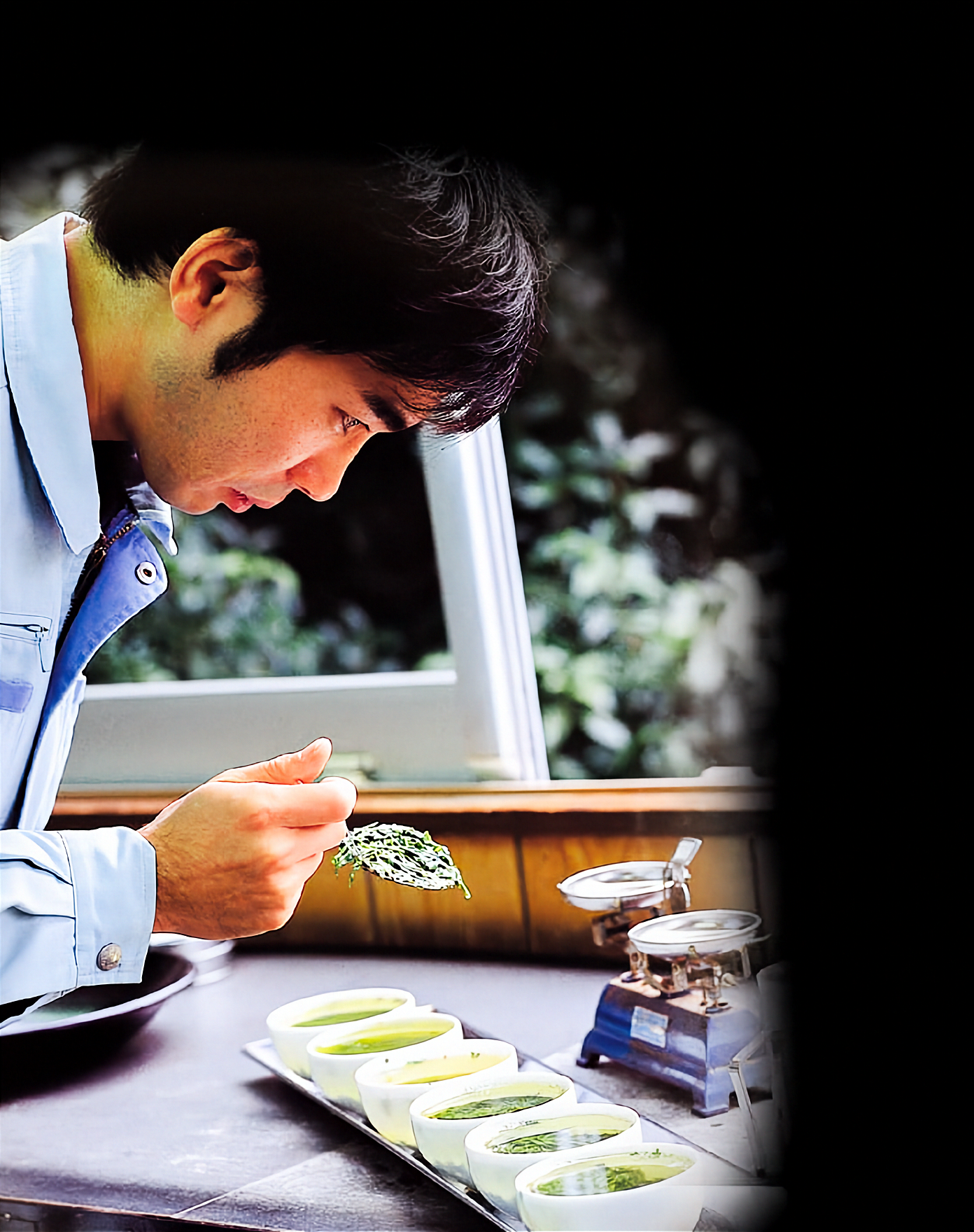
FUJI ASAHIEN's master blender evaluating first-flush leaves — a critical step in achieving consistent taste across every batch.
How Does Grade Affect Taste?
Matcha is sold across a wide range of grades, and the differences in flavor are significant. Grade is not just a marketing label — it reflects leaf quality, umami content, and the precision of production.
Ceremonial / Superior
Maximum umami and natural sweetness, minimal bitterness, creamy and silky body. Best sipped straight as usucha or koicha.
Premium
Rich, layered flavor with strong umami and balanced sweetness. Excellent for both traditional preparation and matcha lattes.
Standard / Culinary
Brighter, more assertive flavor with some bitterness. Refreshing and clean when prepared well. Ideal for everyday drinking and cooking.
"The highest grades of matcha taste nothing like the bitter green powder many people first encounter. They are genuinely sweet, complex, and deeply satisfying — closer in experience to fine wine than to a simple tea."

The color deepens with grade — a visible indicator of higher chlorophyll and L-theanine content.
Taste Profiles: FUJI ASAHIEN's Three Grades
All three FUJI ASAHIEN matcha grades are sourced from the Kawane region of Shizuoka Prefecture and milled to a precision 5 microns using bead-mill technology. Each grade has a distinct, carefully crafted flavor identity.
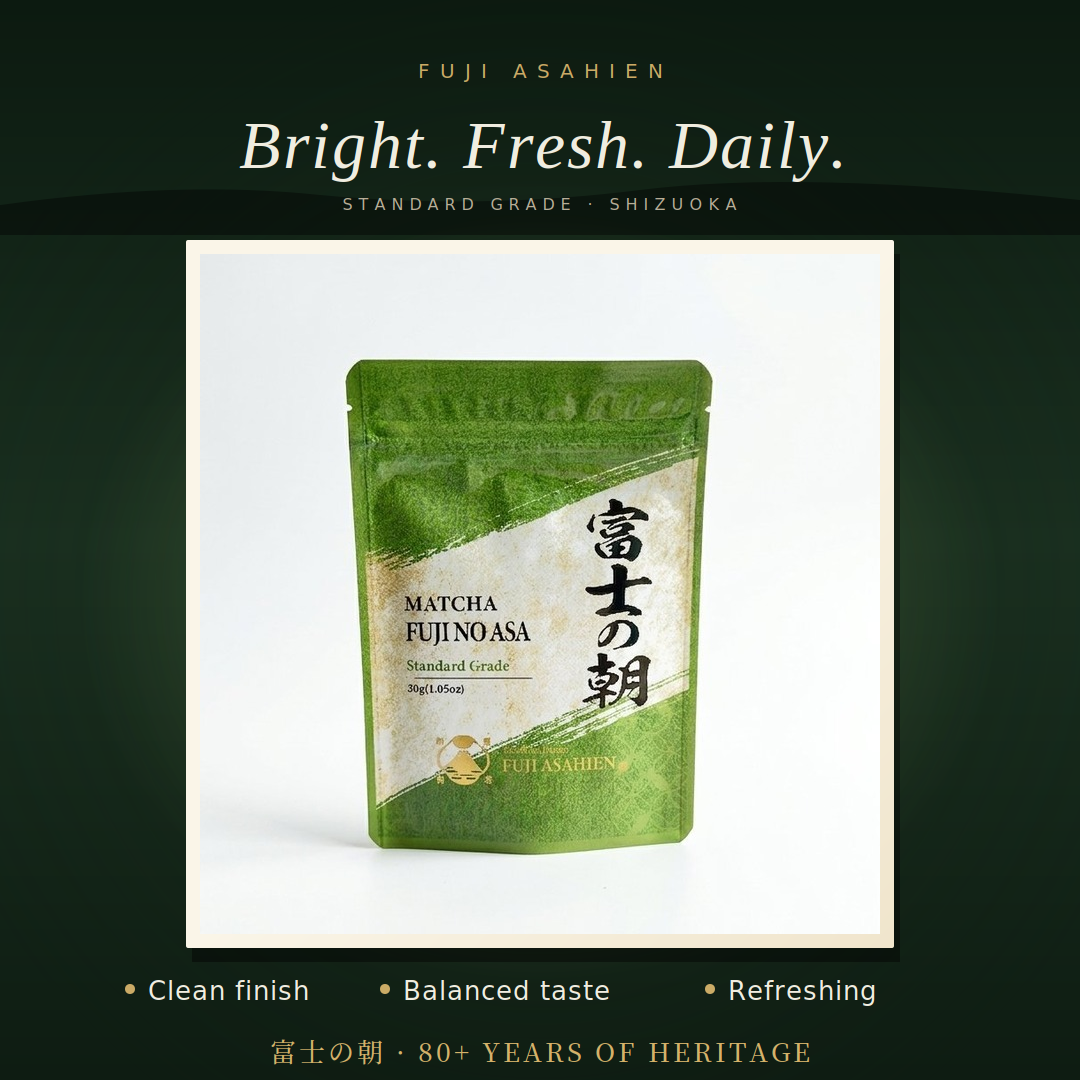
Standard Grade
Fuji-no-Asa
"The morning light on Fuji" — bright, fresh, and clean
Fuji-no-Asa opens with a refreshing, crisp vegetal note reminiscent of fresh spring leaves. The bitterness is light and brief, giving way to a clean, pleasant sweetness with no heavy aftertaste. It is bright and easy-drinking — the ideal everyday matcha.
Shop Fuji-no-Asa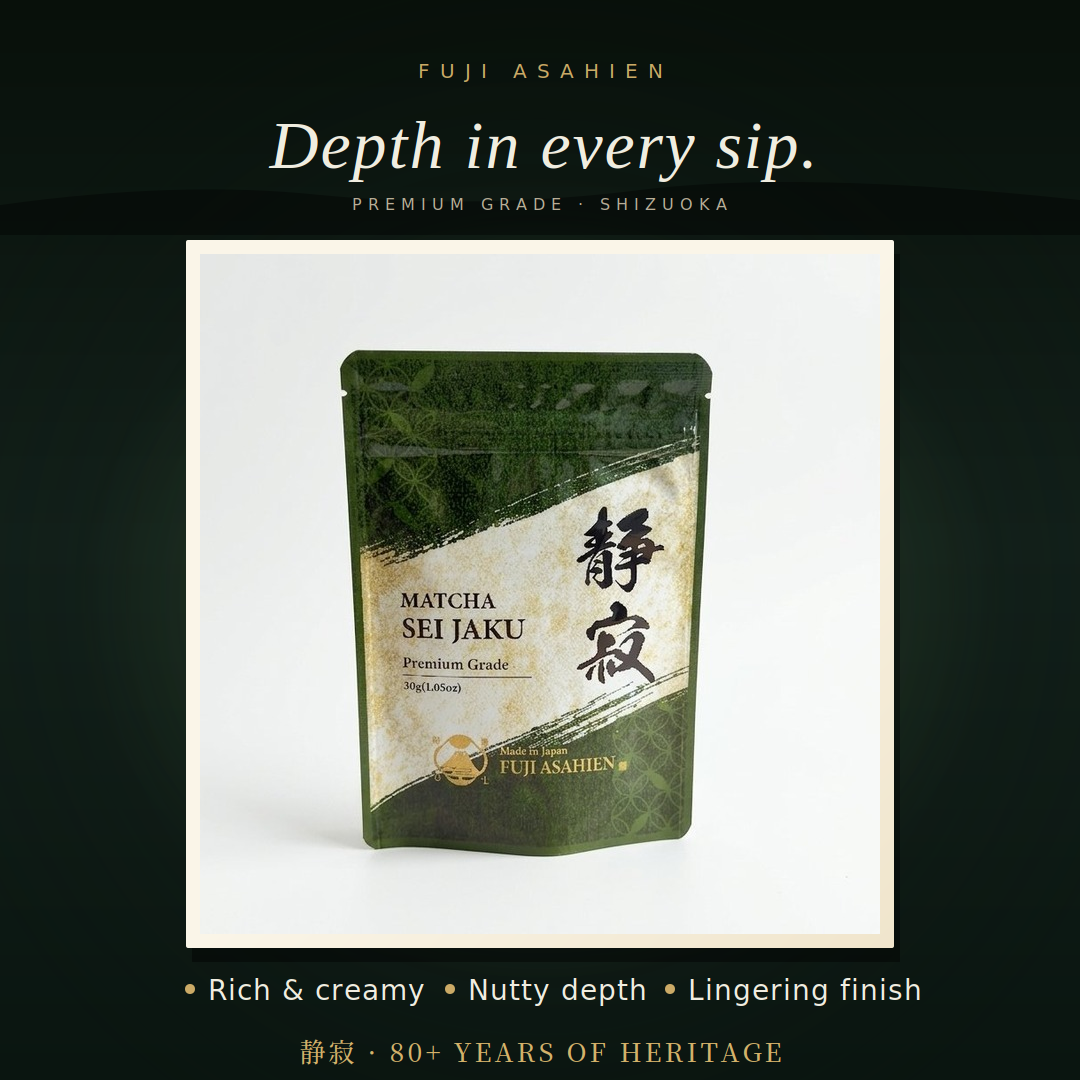
Premium Grade
Sei-Jaku
"Tranquil stillness" — rich, creamy, and complex
Sei-Jaku delivers a noticeably deeper, richer experience. The umami is pronounced and lingering, accompanied by a creamy sweetness that unfolds slowly on the palate. Bitterness is present but restrained, creating a beautifully balanced cup with excellent body and a long, satisfying finish.
Shop Sei-Jaku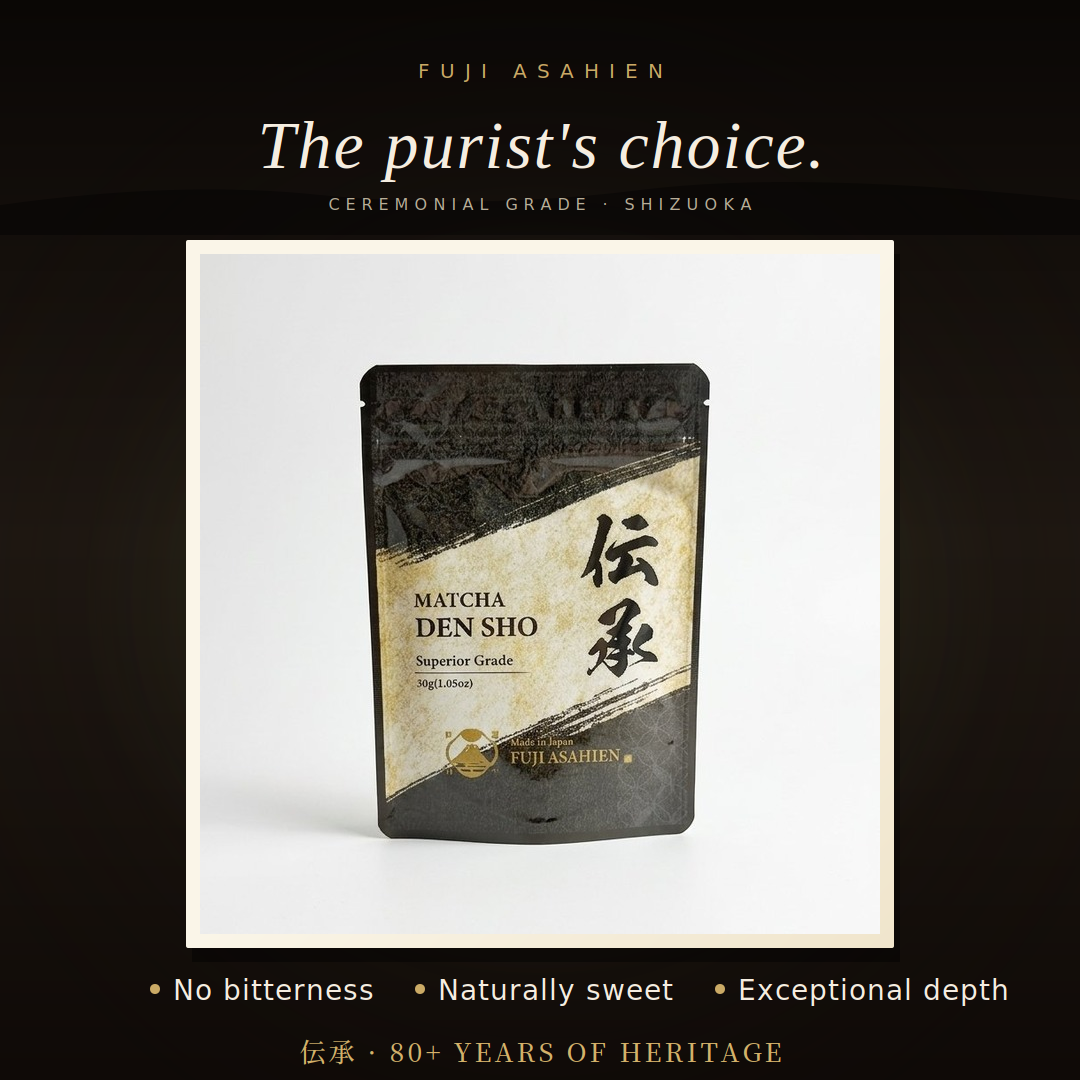
Superior Grade
Den-sho
"Legacy of tradition" — maximum umami, supreme sweetness
Den-sho is FUJI ASAHIEN's highest expression of matcha. The umami is intense yet refined, the natural sweetness exceptional, and the bitterness almost imperceptible. Each sip is velvety, full, and long-lasting — a matcha that reveals new layers with every bowl. Best experienced as traditional usucha or koicha.
Shop Den-shoHow Preparation Affects the Taste
Even the finest matcha will taste bitter and flat if prepared incorrectly. These simple guidelines will ensure you experience the full flavor potential of your matcha.
Water Temperature
Use 70–80°C water. Boiling water destroys amino acids and over-extracts bitter catechins. Lower temperature preserves sweetness and umami.
Amount of Matcha
For usucha (thin tea): 1.5–2g per 70–80ml of water. For koicha (thick tea): 4g per 40ml. Too little matcha tastes watery; too much tastes harsh.
Whisking Technique
Whisk in a rapid W or M motion to build a fine, even foam. Proper aeration creates the creamy texture that makes premium matcha so satisfying.
Sifting
Sifting matcha before whisking prevents clumps and ensures a smooth, lump-free bowl with consistent flavor throughout every sip.
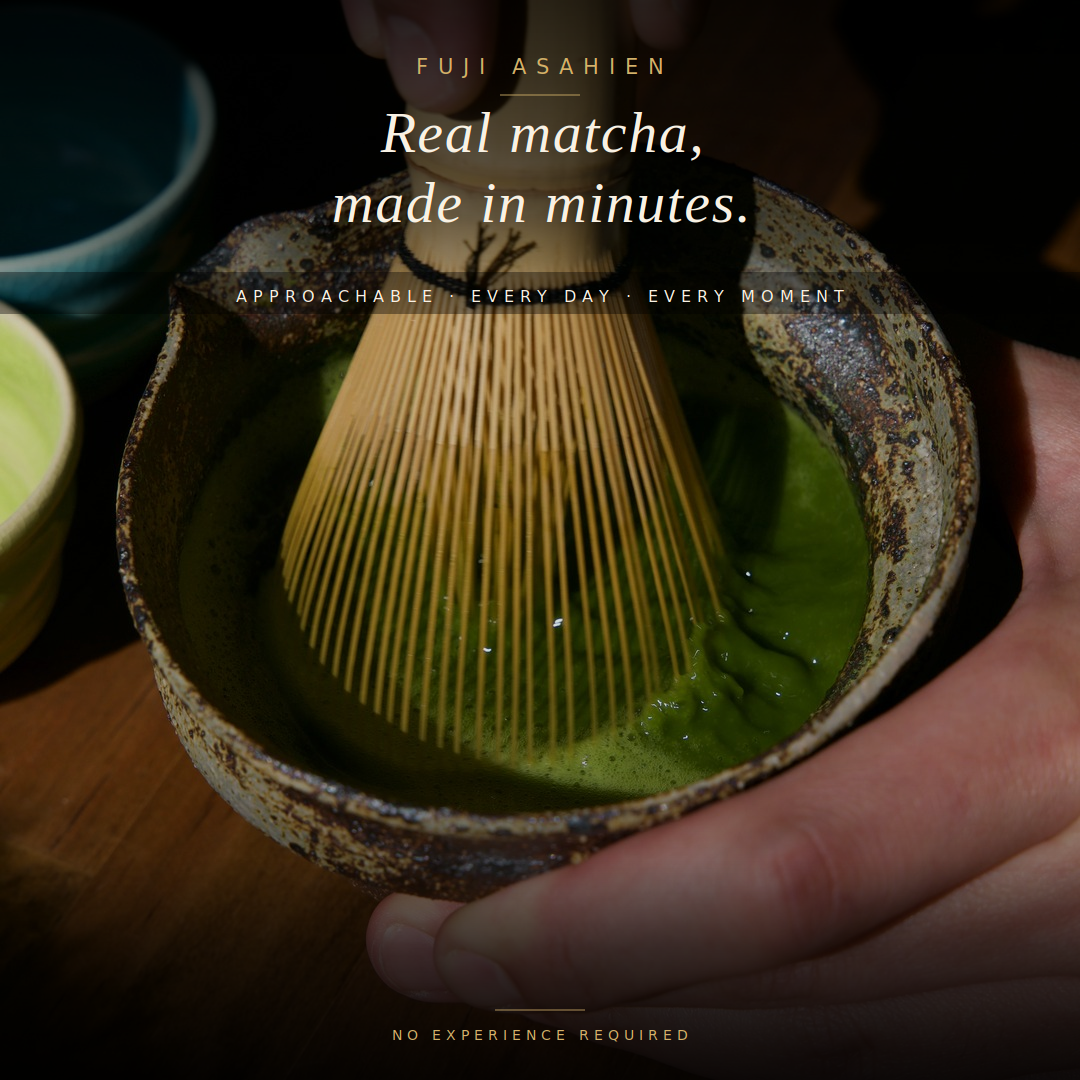
Proper whisking technique is essential to unlocking matcha's full flavor: smooth, velvety, and beautifully foamy.
Taste the Difference
Find Your Perfect FUJI ASAHIEN Matcha
From the bright, clean refreshment of Fuji-no-Asa to the supreme umami of Den-sho — explore three distinct taste profiles, all grown in Kawane, Shizuoka and milled to 5-micron precision.
Shop All Matcha